
This page gathers my designer‑oriented game reviews, where I break down gameplay systems, level design decisions, UX clarity, and player experience. Each review includes video references and detailed analysis aimed at understanding how games succeed and how they could improve.
May contain spoliers
Ghost of Tsushima
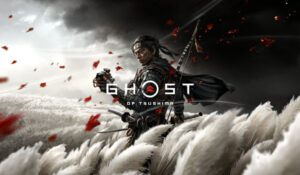
Ghost of Tsushima on PS5 delivers a remarkably cohesive open‑world experience where exploration and secondary missions feel just as engaging as the main storyline. One of the game’s greatest strengths is how seamlessly side quests blend into the world, completing a secondary mission often feels just as meaningful and polished as progressing through the main narrative. This consistency helps maintain immersion and encourages players to explore without feeling like they’re stepping away from the “real” game.
The guiding wind mechanic is one of the most innovative navigation systems introduced in recent years. Sliding a finger across the touchpad to summon the wind eliminates the need for intrusive arrows or UI markers, allowing the environment itself to guide the player. It’s elegant, immersive, and perfectly aligned with the game’s aesthetic philosophy. In contrast, some of the assassin or thief‑oriented skills feel less impactful, at least for players who prefer direct combat or exploration over stealth.
Animations are a standout element, with small details, such as Jin cleaning his katana after combat, adding authenticity and personality to the experience. The fox shrine missions are charming and provide a softer emotional contrast to the intensity of the main story. However, interaction prompts can sometimes be difficult to see. The R2 icon only appears when looking at objects from a very specific angle, which can slow down the flow of exploration. While this design choice may be intended to reduce UI clutter, it occasionally becomes unintuitive.
The game also uses sound effectively in moments where visibility is limited. There are sequences where the player cannot see what is happening but can understand the situation through audio cues alone, creating tension and atmosphere in a subtle way. On the other hand, the inability to skip certain cutscenes, or even repeated scenic shots during camp liberation missions, can become repetitive. Allowing players to skip these sequences, at least in secondary or repeated mission types, would improve pacing.
An interesting discovery is that some jails can be opened using a heavy attack instead of pressing R2. If intentional, this dual‑approach design is clever, casual players will follow the prompt, while more experimental players may find alternative methods that feel faster or more aggressive. If unintentional, it still highlights how flexible the game’s interaction system can be. Combat audio is another highlight, with sword clashes sounding sharp, impactful, and satisfying.
One odd design choice is that killing deer yields no materials. Since the game allows the action, it feels strange that there is no reward or resource tied to it, making the mechanic feel incomplete. Throughout the game, new gameplay elements are introduced gradually, such as operating the arrow‑launching siege machines (ballista‑like devices), which add variety and scale to combat encounters.
Despite the large map, the game cleverly encourages revisiting older areas through new missions and narrative developments. This is strong level design, the world feels alive and interconnected, and returning to familiar locations with new objectives reinforces the sense of progression. However, some environmental inconsistencies stand out, for example, burned or devastated zones still containing green plants or collectible bamboo, which breaks the visual logic of the setting.
The game concludes with a powerful emotional choice that significantly impacts the world and the protagonist’s journey. This ending reinforces the narrative weight of the player’s actions and provides a memorable and meaningful conclusion to the story.
Overall, Ghost of Tsushima on PS5 is a beautifully crafted experience with innovative navigation, strong environmental storytelling, and consistently engaging missions. While some mechanics and interactions could be refined, the game excels in atmosphere, pacing, and emotional impact, making it one of the most compelling open‑world titles of its generation.
Played on: PS5 — Version: TO CHECK — Hours played: 48h — Date of review: December 12, 2025
Get news about our projects!
We will send you emails with demos or news about our projects.
We respect your privacy