

WILL: Follow the Light (Demo) delivers a surprisingly atmospheric and engaging experience, supported by strong visual presentation and thoughtful design choices. The water and rain effects stand out immediately, creating a grounded and immersive environment. The opening sequence is particularly effective, the demo begins with a moment of intense stress before shifting into a calmer, more grounded gameplay rhythm. This contrast hooks the player early and sets a compelling tone for the rest of the experience.
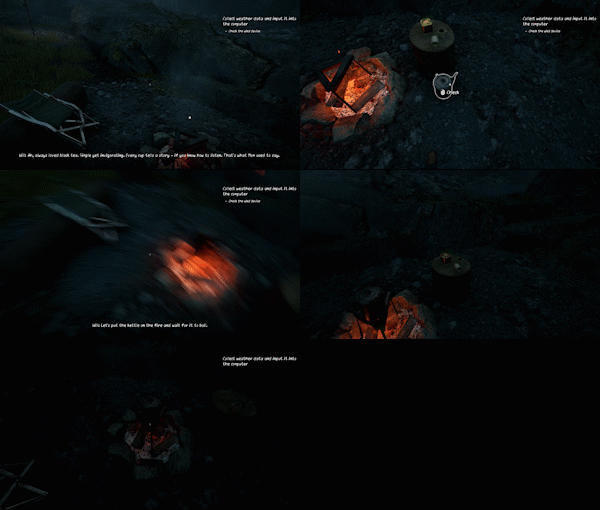
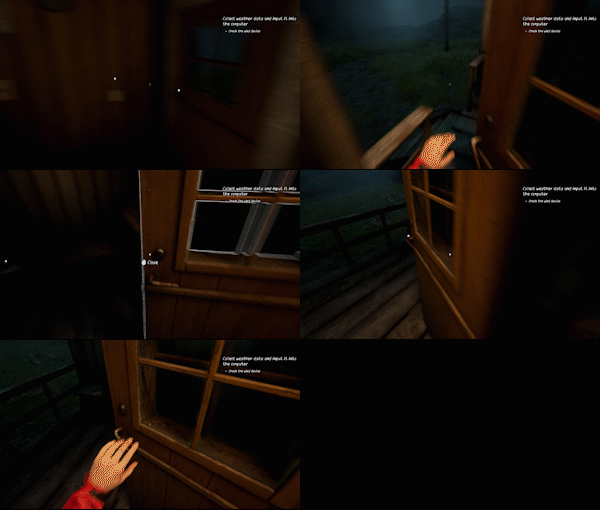
The camera initially feels laggy, but the option to disable this effect is appreciated and shows attention to player comfort. Interaction design is also handled with care, closing doors requires looking directly at the handle rather than vaguely at the door gap, which adds a sense of precision and realism often missing in similar titles. Small optional interactions, like making tea, enrich the environment and encourage exploration.
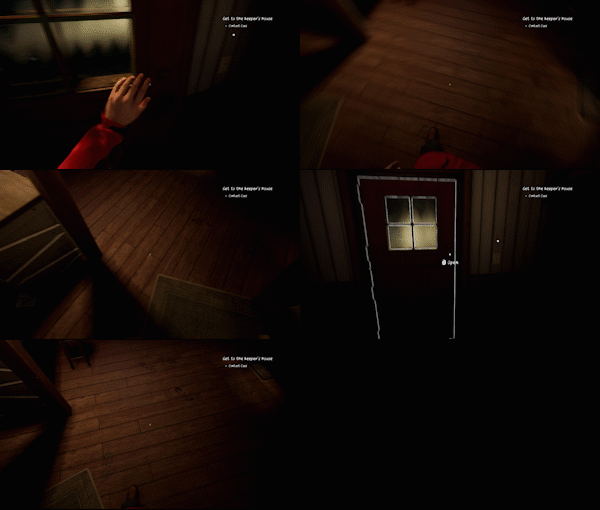
However, the audio settings are limited. The absence of a dedicated sound settings button and the lack of separate volume sliders for background audio, music, and voices, restrict player control. Adding more granular audio options would significantly improve accessibility and personalization. Automatic grabbing and climbing stairs feels slightly odd, though it seems to be a deliberate design choice and doesn’t negatively impact the experience. Footprints appearing when entering the house are a subtle but effective detail that enhances immersion.
The decision to remove jumping works surprisingly well. Many games include a jump button without meaningful purpose, but here the absence of it helps maintain tighter level constraints and supports the game’s grounded tone. The fuse puzzle serves as a simple but effective introduction to the game’s puzzle mechanics, and the inclusion of a moment of choice adds narrative depth and player agency.
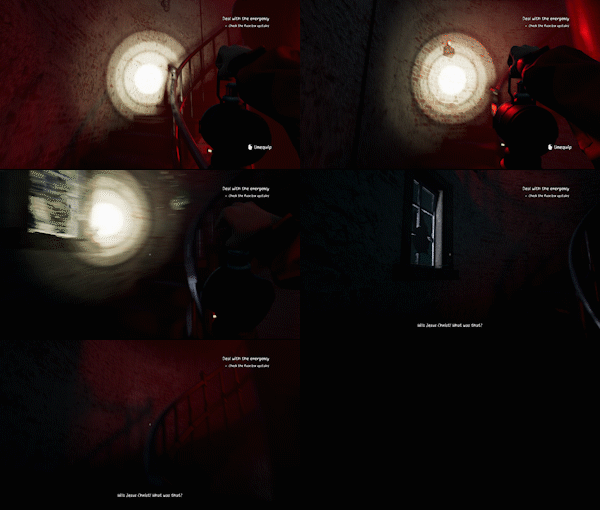
The dream sequence is a standout moment, raising questions while cleverly introducing the flashlight through a dark, unsettling scenario. The jumpscare at the window is perfectly timed, effective without feeling cheap and increases tension moving forward. The ending of the demo, however, feels slightly abrupt when it triggers upon leaving the lighthouse. Ending the demo after the cutscene might have provided a smoother and more satisfying conclusion.
Overall, WIL: Follow the Light (Demo) is a promising and atmospheric experience with strong visual identity, thoughtful pacing, and engaging moments. Despite some rough edges in audio settings and interaction clarity, the demo leaves a strong impression, and I’m genuinely looking forward to seeing more in the next demo or full release.
Played on: PC(Steam) — Version: Demo — Hours played: 3.9h — Date of review: January 5, 2026